How Intelligent Automation Transforms High-Volume Distribution
Unlocking Efficiency: Eliminating Bottlenecks in Complex Fulfillment Networks
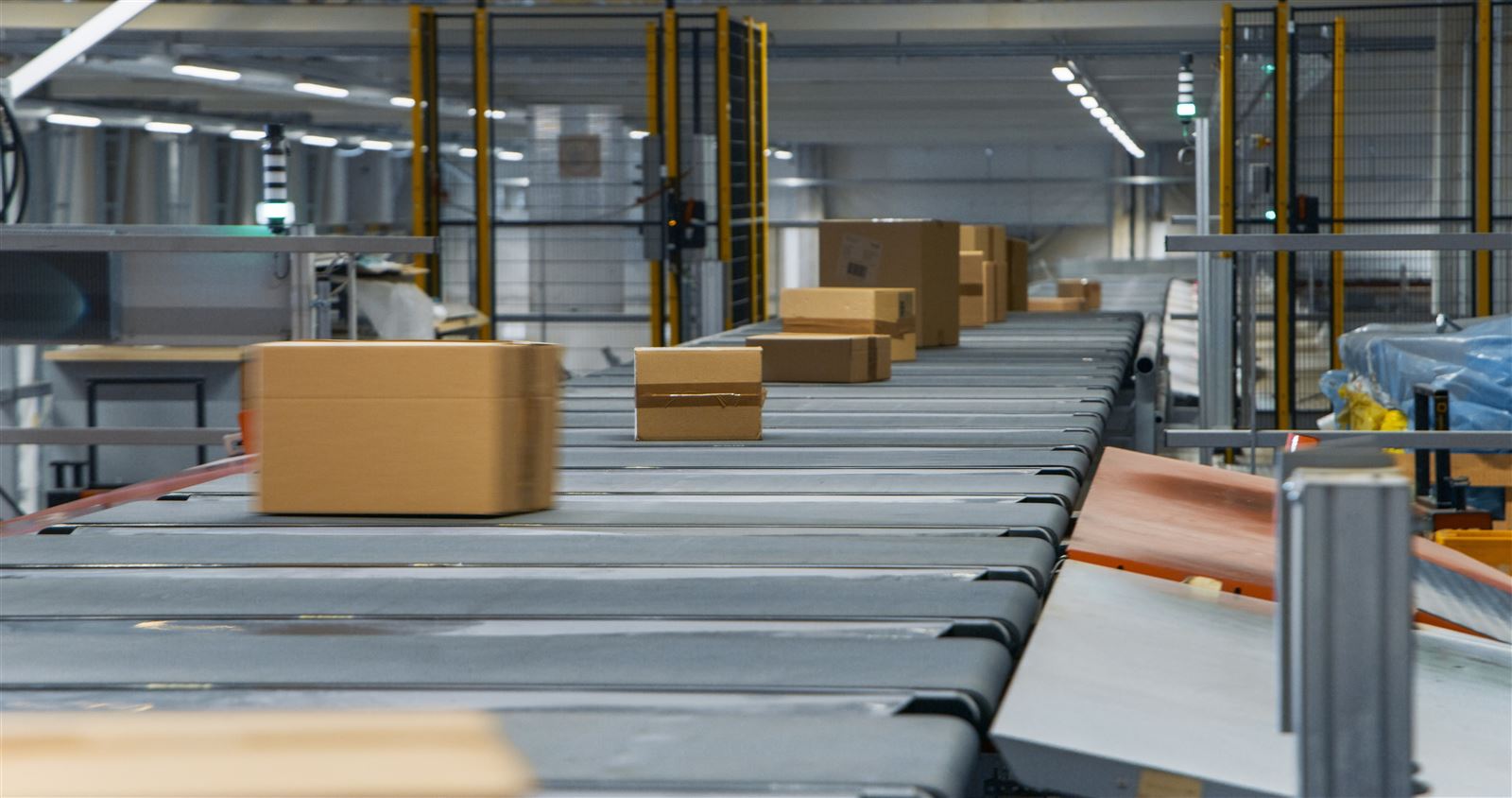
For a leading player in the food and logistics sector, this challenge had become a critical barrier to growth. With a high volume of diverse orders and a distributed supplier network, their manual routing process was limiting scalability and reducing operational efficiency. To move forward, they needed to replace human coordination with intelligent, real-time automation.
The Imperative for Intelligent Fulfillment
As fulfillment networks grow in complexity, the need for speed, accuracy, and coordination increases significantly. Manual processes cannot keep pace with real-time demand, shifting capacity, and logistical constraints.
To address this, bool delivered a custom-built automated solution designed to act as the central coordination layer of the fulfillment operation. The objective was to eliminate manual routing and enable automatic assignment of each order to the most suitable manufacturer in real time.
By integrating data such as product type, geographic location, production capacity, and delivery timelines, the system coordinates production and logistics end to end. The result is a fulfillment operation that transitions from manual intervention to streamlined, automated execution.
How Intelligent Order Assignment Delivered Results
The solution introduced a centralized system that acts as the operational core of the fulfillment network. By reducing reliance on manual processes, the platform created immediate and measurable improvements:
- Faster Fulfillment and Improved Customer Experience Orders are routed into production more quickly, reducing delays associated with manual coordination. This shortens the time between order placement and fulfillment, leading to faster delivery and improved customer satisfaction.
- Optimized Capacity and Network Utilization The system supports better allocation decisions by considering real-time factors such as availability and capabilities. This helps balance workloads, reduce bottlenecks, and improve overall network efficiency.
- Reduced Operational Costs and Administrative Effort Automating the order assignment and coordination process reduces manual effort and minimizes errors. Administrative teams can focus on higher-value activities, contributing to lower operational costs and increased productivity.
Efficiency Through Automation
While manual coordination can limit scalability, automation enables more consistent and efficient operations. By centralizing decision-making and reducing dependency on human intervention, the system improves reliability and supports ongoing growth.
Key Impacts of the Fulfillment Platform
- Speed: Faster order routing improves fulfillment timelines
- Utilization: Better allocation of capacity across the network
- Cost Reduction: Lower administrative overhead and fewer manual errors
- Scalability: A flexible solution that supports growth in volume and complexity
Conclusion: The Future of Fulfillment Is Automated
At bool, we believe that automation is essential for organizations operating in high-volume logistics environments. Manual processes create limitations in efficiency, scalability, and cost control.
This case study demonstrates how replacing manual coordination with intelligent automation enables organizations to streamline operations, improve performance, and respond more effectively to demand. By enhancing visibility and control across the network, businesses can unlock greater efficiency and long-term operational success.